
The Art of Creating Interior Figurines: A Journey From Idea to Form
Creating interior figurines is more than crafting decorative objects. It is a way of transforming simple materials into expressive shapes that reflect mood, story, and personal aesthetic. For many creators, this journey becomes a form of mindful practice, where every curve and contour teaches patience, structure, and creative balance.
Understanding the Creative Foundation
Before shaping the first form, it is important to explore the concept behind the figurine. This stage sets the emotional tone and helps define the direction of the design.
Key steps include:
• Identifying the purpose of the piece
• Exploring the atmosphere it should convey
• Selecting shapes that support the narrative
• Choosing materials that match the intended style and complexity
This foundation makes the creative process smoother and allows the final work to feel cohesive and intentional.
Material Exploration and Hands-On Process
Interior figurines can be created from a wide range of accessible materials. Each one offers its own texture, resistance, and behavior, influencing the final outcome.
Examples of material choices:
• Lightweight clay for soft, expressive lines
• Plaster for more structured silhouettes
• Composite mixes for durable, long-lasting forms
The hands-on phase is where ideas begin to manifest physically. Shaping, carving, softening, refining edges — each step adds character to the figurine and helps the creator understand the nature of the material.
Developing Your Artistic Language
Every creator, regardless of experience, gradually develops a unique artistic language. This expression takes form through:
• Distinct silhouettes
• Preferred textures
• Color accents and finishing choices
• Characteristic proportions
Exploring these elements allows each figurine to carry a signature style, even when experimenting with new techniques or themes.
Refinement, Finishing, and Presentation
Finishing is where a figurine transitions from a raw form into a complete artistic object. Small adjustments, surface treatments, and final touches play an important role in elevating the overall quality.
Refinement often includes:
• Smoothing transitions between shapes
• Adding micro-details that enhance expression
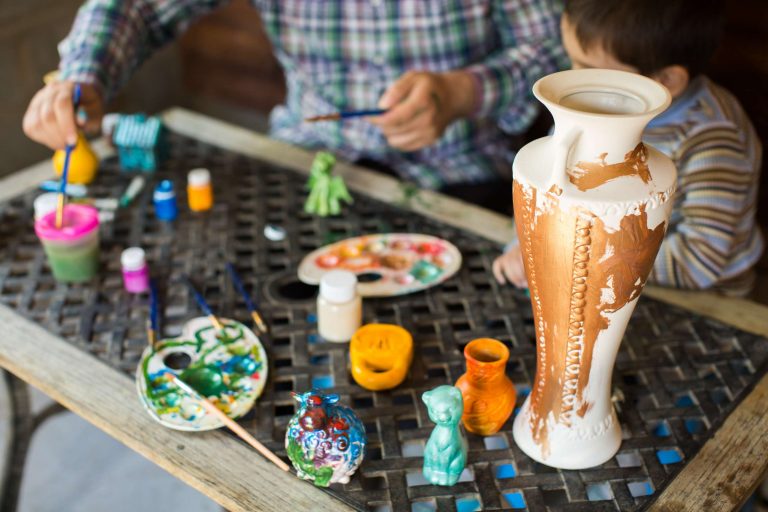
• Applying paint, patina, or protective coating
• Placing the figurine on a dedicated stand or base
Presentation matters as much as creation. A well-chosen display enhances the figurine’s presence and complements the surrounding interior.
Why This Craft Inspires Many
Creating interior figurines opens a door to personal exploration. It teaches structure yet encourages freedom. It blends design, sculpture, and storytelling into a single discipline. Whether someone is shaping their first form or refining advanced techniques, this artistic journey offers continuous discovery.