Elevating Your Craft: Finishing Techniques That Transform Interior Figurines
The final stage of creating an interior figurine is where true artistry emerges. Finishing techniques determine how the piece feels, how it catches light, and how it communicates emotion. Even the most carefully sculpted form can appear incomplete without thoughtful treatment, while a well-finished figurine gains depth, presence, and a polished identity.
Preparing the Surface for Excellence
Every refined finish starts with meticulous surface preparation. This step may not be the most glamorous, but it lays the groundwork for a professional result.
Effective preparation often includes:
• Carefully smoothing transitions between shapes
• Removing excess material and unwanted texture
• Strengthening delicate areas for lasting durability
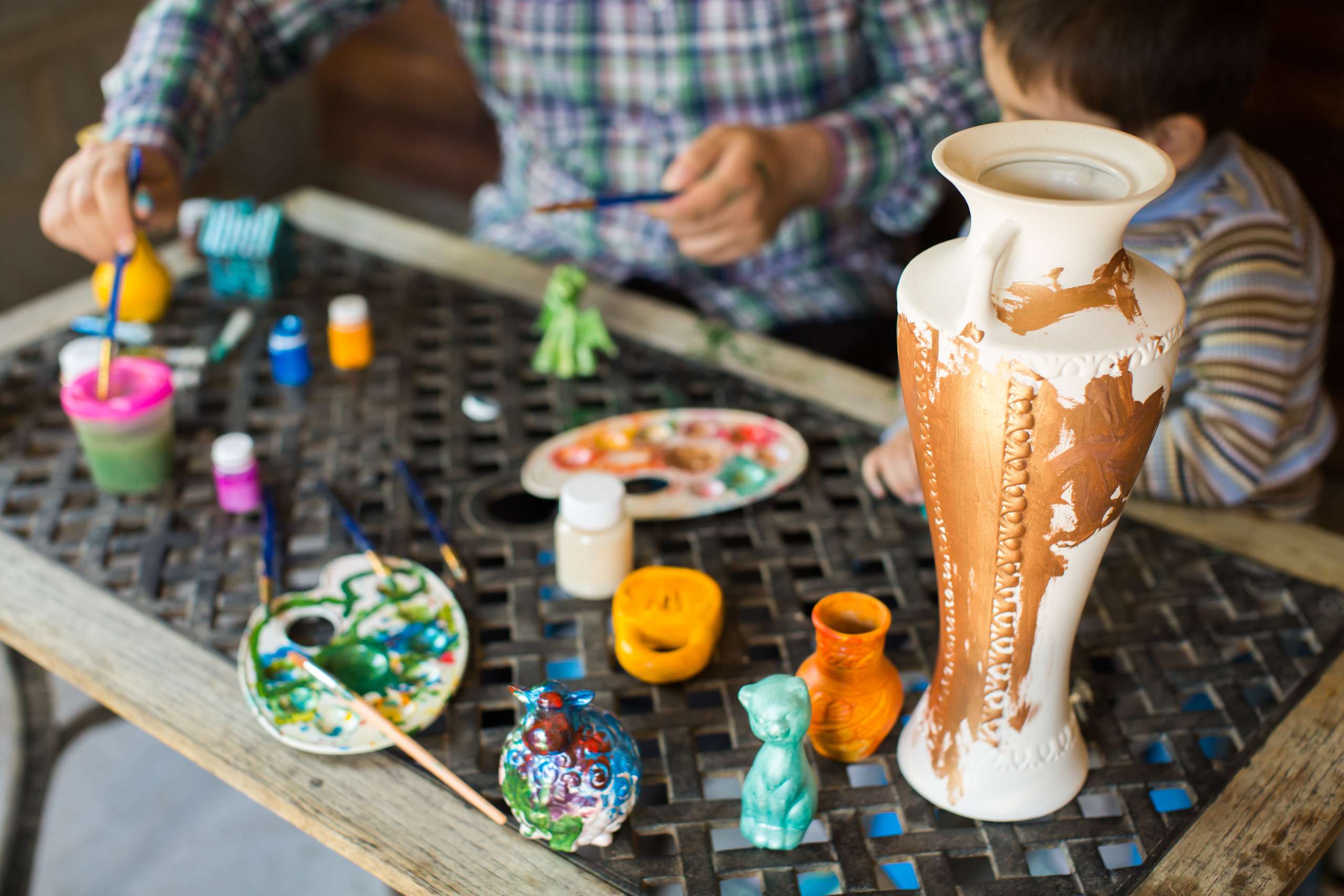
• Establishing a clean base for paints or coatings
A well-prepared surface allows subsequent layers to adhere evenly and create visual harmony.
Choosing the Right Finishing Approach
Finishing is not about randomly adding color or sheen. It is about enhancing the figurine’s form and reinforcing its emotional tone. Different techniques bring different qualities to the piece.
Consider experimenting with:
• Matte finishes for a soft, grounded look
• Subtle metallic accents to highlight contours
• Washed layers for a weathered, artistic feel
• Gloss coatings that emphasize smooth elegance
Each technique interacts uniquely with light, transforming how the figurine appears from every angle.
Layering With Intention
Layering is where depth emerges. A single coat creates uniformity, but multiple intentional layers create atmosphere and narrative. This is where the figurine gains a visual story.
Creative layering may involve:
• Gradual tonal transitions to sculpt dimension
• Selective shading for emotional contrast
• Transparent layers that reveal underlying structure
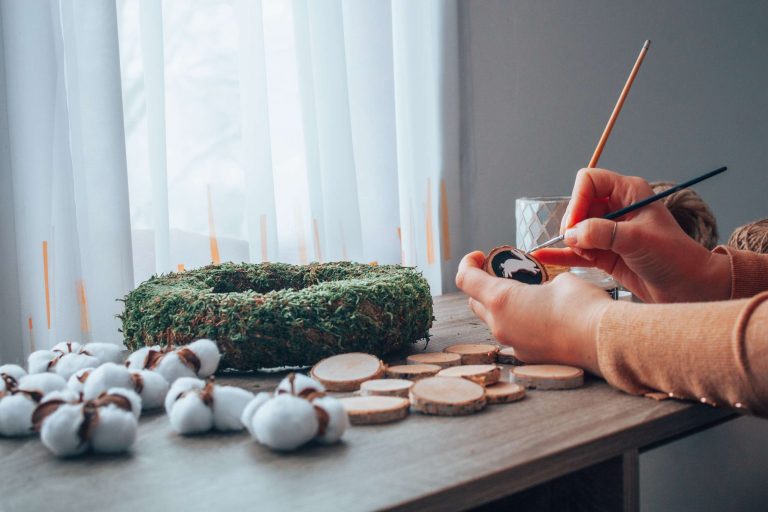
• Hand-painted details that enhance character
With each layer, the figurine acquires richness and complexity, inviting the viewer to observe up close.
The Art of Detail and Accent
Small details can elevate a figurine beyond decoration and into artistry. These accents guide the viewer’s attention, emphasizing key features or adding personality to the piece.
You can highlight character through:
• Micro-textures applied with precision tools
• Delicate strokes that define expression or movement
• Subtle color shifts that bring life to focal areas
• Minimalistic accents that create visual rhythm
Details serve as the final conversation between the creator and the piece.
Preparing for Display
A figurine’s story continues when it becomes part of an interior space. Presentation affects how the work is perceived, and thoughtful placement enhances its impact.
Key considerations include:
• Choosing a stand that complements the silhouette
• Positioning the figurine where natural or artificial light enhances form
• Pairing it with décor elements that echo its style
• Ensuring visual balance within the environment
A well-displayed figurine feels purposeful, integrated, and alive within the room.
Why Finishing Matters
Finishing techniques transform a crafted shape into an expressive artwork. They communicate the creator’s eye for detail, their understanding of visual language, and their commitment to completing the story they began shaping in raw material. For many artists, finishing becomes a meditative process — a way of honoring the creative journey from the first idea to the final gesture.